
Moving miningoff planet.
We mine critical metals from space, not ecosystems.
The materials powering the biggest technological shift in human historyare ripping the planet apart extracting them from the ground.


Pacific is building the hardware, policy, and financial infrastructure to make asteroid mining possible.
Climate change will be the defining challenge of this century, yet the technologies being built to fight it are destroying the ecosystems that keep the planet stable. Demand for lithium, cobalt, nickel, and platinum is set to increase 20 to 40 times by 2040. Every kilogram is being pulled from tropical rainforest, ocean floor, or freshwater watershed. Deep sea mining is devastating seabed biodiversity that takes decades to recover. 75% of mining-related deforestation already targets minerals for renewable energy. The green transition is eating the biosphere to fuel itself.
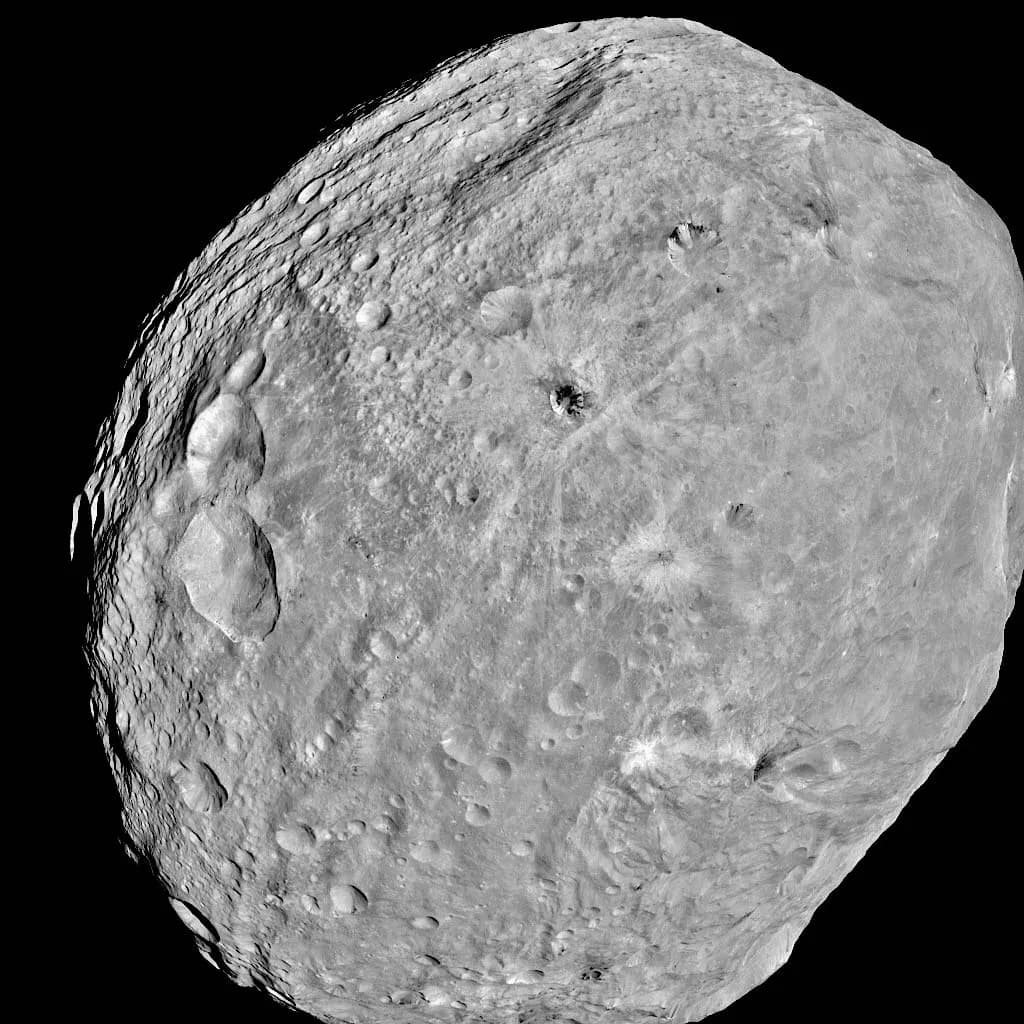
One asteroid could supply Earth’s platinum demand for 200 years.
This is a trillion-dollar market, and it has killed every company that’s tried it. The engineering is brutally hard. But the real barrier isn’t the rockets. Terrestrial mining is subsidised at $2.4 trillion a year, no government recognises space-sourced materials, and no market exists to trade them. Every previous company built spacecraft and hoped the economics would follow. They didn’t.
How we get there.
Nova
AI-powered systems engineering platform that combines frontier language models with the knowledge of skilled experts to manage hard problems across aerospace, hardware, and government. It's the backbone that lets us build something civilisation-changing.
Policy
We work with governments and international institutions to price the true ecological cost of terrestrial mining and create incentives for in-space alternatives that cause infinitely less damage.
Hardware
We are building the extraction and refining technology capable of mining asteroids at commercial scale, and assembling the team to make it happen. This starts with robotics and autonomous systems that can operate in microgravity, millions of kilometres from human intervention.
Financial Instruments
We sell options on future delivery of space-sourced metals. Buyers pay now, trade as the technology matures, and fund the missions that make delivery real.
There are two trillion galaxies in the observable universe, each containing hundreds of billions of stars, and of the thousands of planets we’ve discovered, not one has shown a single sign of life. Earth holds an estimated 8.7 million complex species, coral reefs that took half a million years to grow, rainforests that regulate the climate of the entire planet, and deep ocean ecosystems we still haven’t mapped. Nothing like it has ever been found anywhere else. We are strip-mining it for metals that exist in infinite supply on dead rocks orbiting the sun.
Pacific builds the technology to extract them from asteroids, the policy to make governments care, and the financial instruments to fund the transition. The solar system has everything civilisation needs. Earth is the only place that’s alive. We intend to keep it that way.